Revolutionize Your Property: Qualified General Contractor Services for Every Project
Redesigning a space requires meticulous planning and execution. Enlisting a general contractor can streamline this process. They provide expertise to multiple projects, ensuring compliance with regulations and effective management. The decision to hire a professional impacts the outcome greatly. Understanding the merits and types of projects handled by general contractors is essential. What factors should one consider when undertaking on such an endeavor?
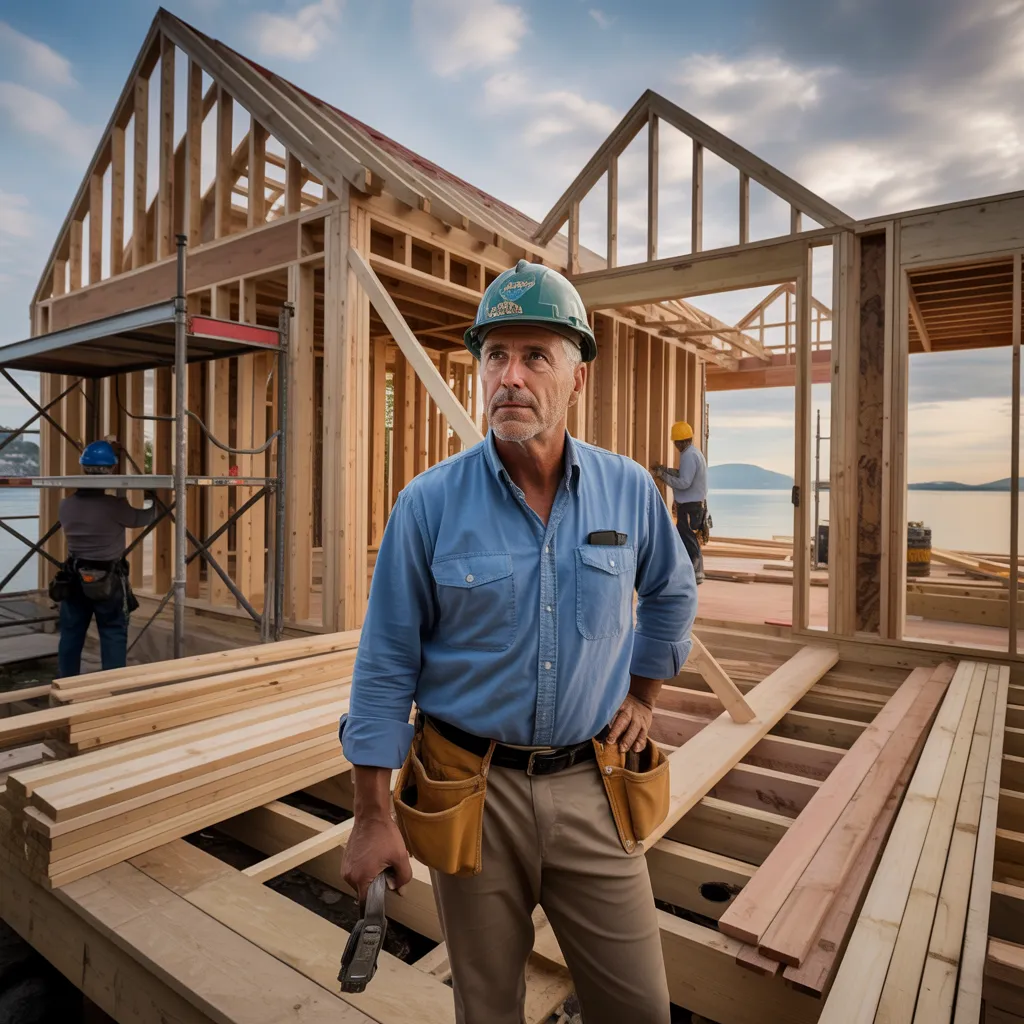
Why Hire a General Contractor for Your Home Project?
When beginning a construction project, numerous people fail to recognize the merits of hiring a general contractor. A general contractor operates as the project manager, coordinating numerous components of construction, which can be vital for maintaining efficiency. They maintain a extensive understanding of the construction process, permitting them to expect challenges and devise solutions. Moreover, general contractors often have formed relationships with subcontractors and suppliers, facilitating smoother negotiations and frequently achieving better pricing on materials and labor.
In addition, hiring a general contractor can help save time, as they handle schedules and deadlines, enabling homeowners to focus on other priorities. Their expertise in managing local building codes and regulations is invaluable, working to avoid costly mistakes or delays. Finally, engaging a general contractor can produce a more systematic, streamlined construction experience, making sure that the project progresses as planned, with fewer complications along the way.
Benefits of Employing a General Contractor
Engaging a general contractor can considerably boost the overall success of a construction project, as their expertise provides numerous advantages. One of the key benefits is successful project management, as general contractors oversee schedules, resources, and subcontractors, guaranteeing that timelines are met. Their established relationships with suppliers often result in cost savings on materials, supporting budget efficiency.
Moreover, general contractors maintain extensive knowledge of local building codes and regulations, minimizing legal complications and ensuring compliance. This expertise decreases the chance of costly errors or delays. They also offer a single point of contact, simplifying communication for clients and improving decision-making.
Additionally, bringing on a general contractor allows clients to focus on their daily responsibilities without the worry of supervising every aspect of the project. In the end, the benefits of bringing on a general contractor involve improved oversight, lowered risks, and increased overall quality of construction projects.
Typical Projects Managed by General Contractors
General contractors are essential in managing various types of projects, with each demanding unique skills and coordination. Such projects typically encompass residential renovations, business construction projects, and outdoor area developments. Comprehending the breadth of these standard projects showcases the diverse capabilities and important function of general contractors in the construction industry.
Residential Renovation Projects
Although residential renovation projects can vary widely in scope and complexity, they usually comprise several key kinds that general contractors are adept at managing. These renovations often include kitchen makeovers, which boost functionality and aesthetics, and bathroom renovations that improve both comfort and value. General contractors also regularly oversee basement finishing, changing underutilized spaces into livable areas. Moreover, they manage home additions, expanding the living space to accommodate growing families or changing needs. Exterior renovations, such as deck development or siding replacement, are also prevalent, enhancing curb appeal and structural integrity. By managing skilled trades, obtaining permits, and adhering to timelines, general contractors verify that residential renovations are completed smoothly and efficiently, resulting in satisfied homeowners.
Business Construction Ventures
Commercial construction ventures encompass a broad spectrum of projects that require the expertise of qualified general contractors. These projects typically encompass office buildings, retail spaces, warehouses, and hospitality establishments. key information General contractors manage the entire construction process, making certain that timelines, budgets, and quality standards are met. They work with architects, engineers, and subcontractors to organize efforts and address challenges effectively. Furthermore, they are in charge of securing necessary permits and complying with local regulations. From the initial planning phase to the final inspection, general contractors fulfill a vital role in enabling seamless execution. Their experience and knowledge empower them to manage complex commercial projects, ultimately converting spaces to satisfy the unique needs of businesses and their clientele.
Exterior Area Makeovers
Enhancing outdoor spaces offers a variety of projects that skilled contractors expertly manage to elevate both functionality and aesthetics. These transformations can include the building of patios and decks, which offer essential outdoor living zones for leisure and entertainment. Landscaping projects are equally common, involving the installation of gardens, pathways, and water features that boost the visual appeal of the home. Skilled contractors often supervise the creation of outdoor kitchens and dining areas, enabling homeowners to enjoy al fresco meals. Additionally, they handle fencing and retaining wall installations that offer private space and structural support. By integrating sustainable practices, like rain gardens and native plantings, contractors create eco-friendly outdoor environments that benefit both homeowners and the nearby ecosystem.
Creating a Budget for General Contractor Services
Budgeting for general contractor services requires thorough planning and accurate estimation of project costs. It is critical to allocate contingency funds to address unforeseen expenses that may arise during the project. Furthermore, focusing on essential expenses ensures that the most critical aspects of the project receive adequate funding.
Assess Project Pricing
When preparing for a construction project, precise cost estimation is vital for ensuring the venture stays within financial limits. A complete evaluation of materials, labor, and needed equipment should be carried out to create a solid budget. General contractors commonly provide initial estimates according to project specifications, permitting clients to understand anticipated expenses. It is essential to gather several quotes from suppliers and subcontractors to evaluate costs effectively. Additionally, considering the scope and complexity of the project will aid in identifying the most significant cost drivers. By assessing these factors thoroughly, clients can make well-informed decisions and avoid unforeseen financial burdens, finally leading to a successful project completion without overrunning the budget.
Allocate Emergency Funds
Allocating contingency funds is a crucial step in budgeting for general contractor services, as it helps safeguard against unforeseen expenses that may develop during a construction project. Usually, a contingency fund should range from 5% to 15% of the total project budget, depending on the project's complexity and potential risks. This financial cushion permits homeowners to deal with unexpected costs without compromising the entire project. It is important to examine the scope and nature of the work when determining the suitable percentage for the contingency fund. By preparing for these potential additional expenses, homeowners can maintain control over their budget while ensuring that the project remains on track, ultimately supporting a more successful renovation or construction experience.
Emphasize Necessary Costs
Once you've set aside contingency funds, the next step in managing finances for general contractor services involves prioritizing essential expenses. Homeowners should commence by identifying key project components that are non-negotiable, such as structural repairs, plumbing, and electrical work. These elements are essential for maintaining safety and functionality. Once essential expenses are identified, clients should secure detailed estimates from contractors to grasp the costs involved. This facilitates effective allocation of funds and helps stop overspending on non-essential features. By prioritizing necessities first, homeowners can create a solid foundation for their project, ensuring that their budget supports both immediate needs and future enhancements. This strategic approach helps sustain financial stability throughout the renovation process.
How to Choose the Right General Contractor for Your Requirements
How does one choose the right general contractor for a particular project? To begin, it is vital to gather recommendations from online reviews, friends, or family to compile a shortlist of prospective candidates. Next, verify their credentials, including certifications, licenses, and insurance, verifying compliance with local codes. It is also crucial to review portfolios of previous projects to evaluate the quality of their work and experience in similar projects.
When a list has been narrowed down, interviewing candidates is essential. This facilitates measuring communication skills, responsiveness, and alignment with project goals. Requesting detailed estimates and timelines will aid in identifying budget compatibility and project feasibility. Lastly, examining references and past client experiences will reveal details about reliability and professionalism. By following these steps, one can confidently choose a general contractor who fulfills specific needs and expectations, ultimately leading to a successful project outcome.
What to Expect During the Construction Process
What can one anticipate during the construction process? Initially, there will be a complete assessment of the project, including location evaluations and discussions concerning timelines and budget. Once the project starts, ongoing communication between the contractor and the client is critical to maintain alignment on expectations and progress.
During the building process, anticipate seeing a range of tradespeople on-site, all working towards a common goal. This stage may include disruptions, such as noise and limited access, so forward planning is necessary.
Postponements might take place owing to unanticipated conditions, including severe weather or materials unavailability, yet a trustworthy contractor will relay these concerns without delay.
As the project nears completion, the final inspections and adjustments will be conducted. Ultimately, patience and flexibility are important as the project moves forward, bringing about the impressive transformation of the chosen space.
Ways to Effectively Collaborate With Your General Contractor
Productive cooperation with a general contractor can substantially affect the success of a construction project. Open communication is crucial; clients should articulate their vision, budget, and timeline from the outset. Frequent updates can help ensure that everyone stays synchronized on project objectives and advancement. Building reciprocal respect cultivates a constructive working relationship, allowing for open discussions about challenges that may arise.
Clients should also be prepared to make timely decisions regarding materials and design choices to avoid delays. Offering feedback during the process can assist the contractor in making required modifications. Moreover, grasping the contractor's work process and restrictions can strengthen collaboration, as it permits clients to predict potential problems. Ultimately, sustaining an adaptable approach to changes can promote more seamless modifications during the project's timeline. By adhering to these guidelines, clients can establish a productive partnership with their general contractor, resulting in successful project results.
Popular Questions
What Credentials Should I Seek in a General Contractor?
When selecting a general contractor, you should consider their licensing, insurance, experience, references from clients, and portfolio of completed projects. In addition, good communication skills and a clear understanding of project timelines are crucial for successful collaboration.
What is the Typical Timeline for Project Completion?
The duration of a typical project can fluctuate substantially but commonly lasts from a few weeks to several months. Elements affecting the timeline include project intricacy, contractor scheduling, and unexpected issues that may occur during construction.
What Should I Do When Facing a Dispute With My Contractor?
Should there be a dispute with a contractor, the recommended approach is to first attempt direct communication to settle the issue. If unresolved, reviewing the contract and considering mediation or legal advice may be needed for further action.
Do General Contractors Have Licenses and Insurance?
Absolutely, general contractors are generally required to be insured and licensed. This ensures they comply with local standards and protect both themselves and their clients from possible liabilities or damages throughout a construction project.
Is It Possible to Modify the Project After It Begins?
Modifications can be made to a project once work has started, but they may require adjustments to the schedule and cost. Maintaining open communication with the contractor is crucial to implement any revisions efficiently.